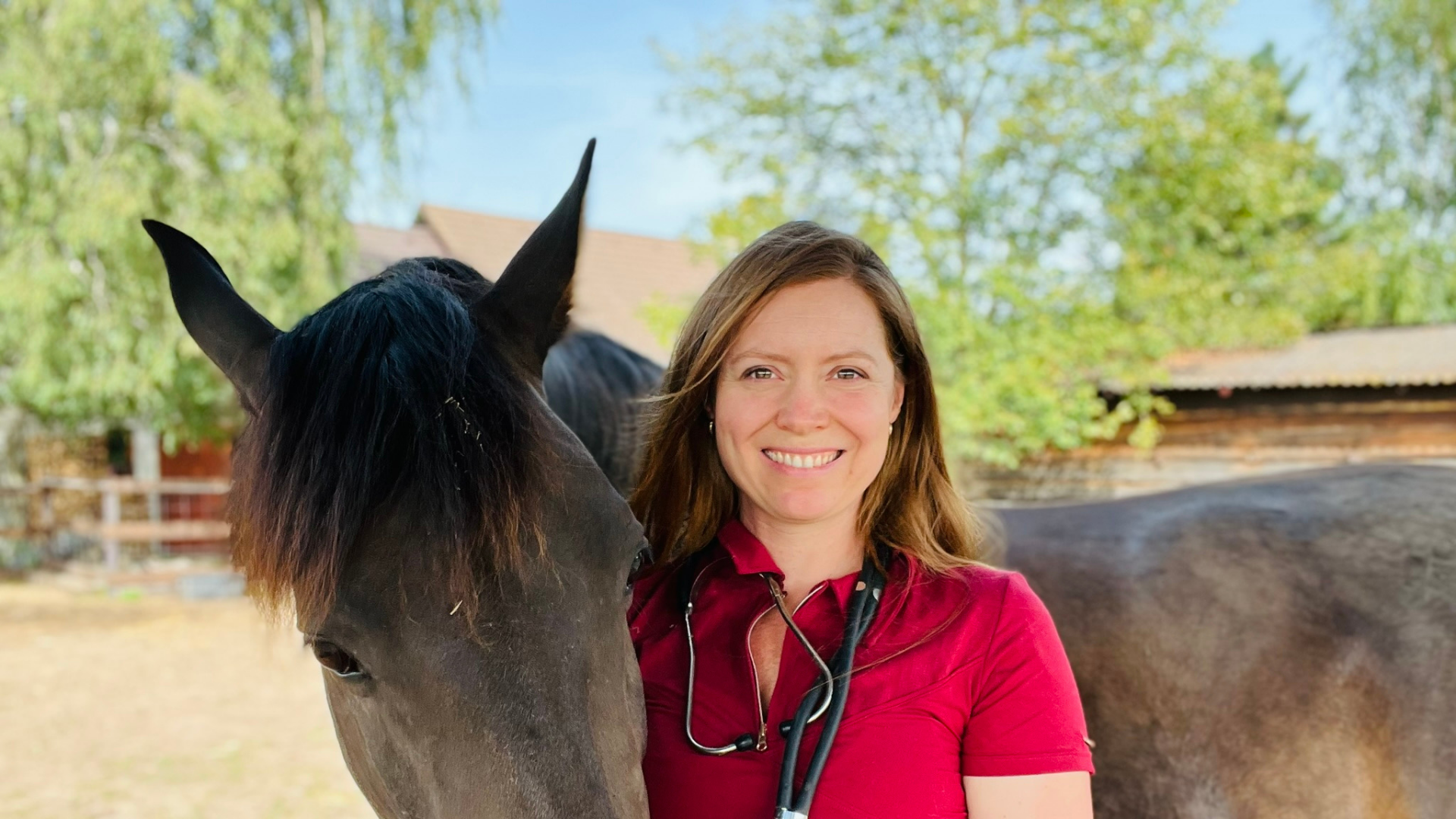
EVERY HORSE NEEDS CARE
But what if we could improve our horses´ quality of life not just by WHAT we do but also by HOW we do it?
The Cooperative Equine brings veterinary medicine, behavioural and welfare science, and ethical training together to help us understand the whole equine—and cultivate cooperation instead of simply expecting compliance.
Dr. Katerina Junghansova | Equine Veterinarian & Educator
START LEARNING



AGENCY MATTERS
The horse's ability to predict what happens to them, influence their environment, and make meaningful choices matters. Modern animal-welfare science increasingly recognizes agency, choice, and control as relevant to mental and physical well-being.
From this point of view, cooperative care isn't simply about making veterinary procedures easier.
It's another way we can support equine welfare.
But what does it mean for you and your horse..?
True improvement of equine welfare lies not just in WHAT we do, but also in HOW we do it.
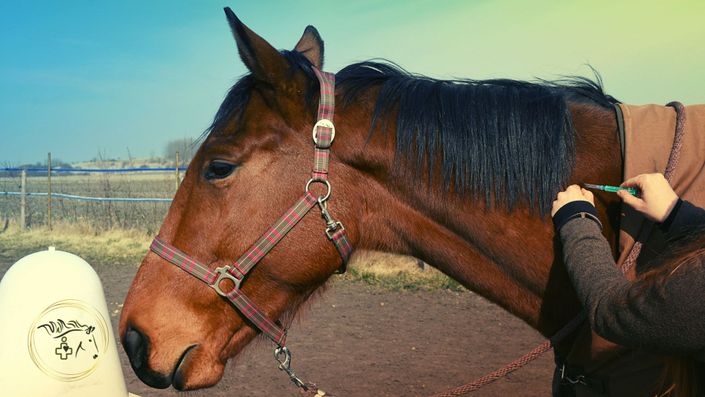
We can provide the best nutrition, veterinary care, hoof care, dentistry, training, and management—but how our horses experience that care matters, too. The same injection can be given to a horse who understands what is happening and willingly participates, or to a horse who is frightened, restrained, and learns that resistance is pointless.
The procedure gets done either way. But the experience isn't the same.
How we care for our horses influences how much stress they experience, how much force and restraint we need to use, how safe the interaction is for everyone involved, and what the horse learns to expect the next time. And when stressful experiences become repeated and inescapable, we need to consider not only the behaviour we see in the moment, but their cumulative impact on the horse's welfare and emotional state.
That's why the HOW matters.
And this is exactly where cooperative care comes in: preparing horses for the care they need, reducing avoidable stress and force, giving them meaningful ways to communicate, and - whenever possible- allowing them some choice and control over what happens to them.
Good horse care isn't only about getting the right things done.
It's about getting them done in a way that takes the horse's experience into account.
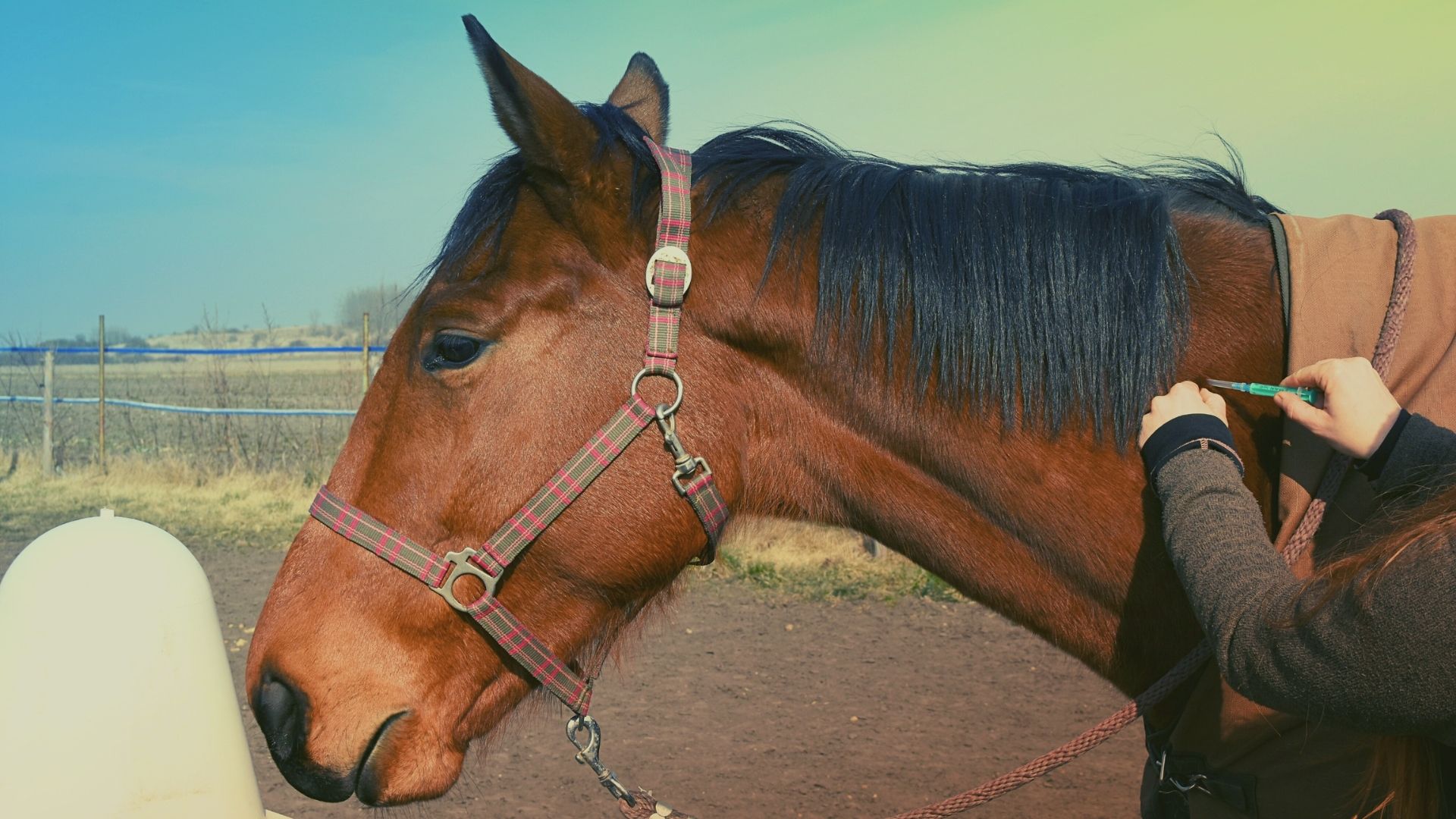
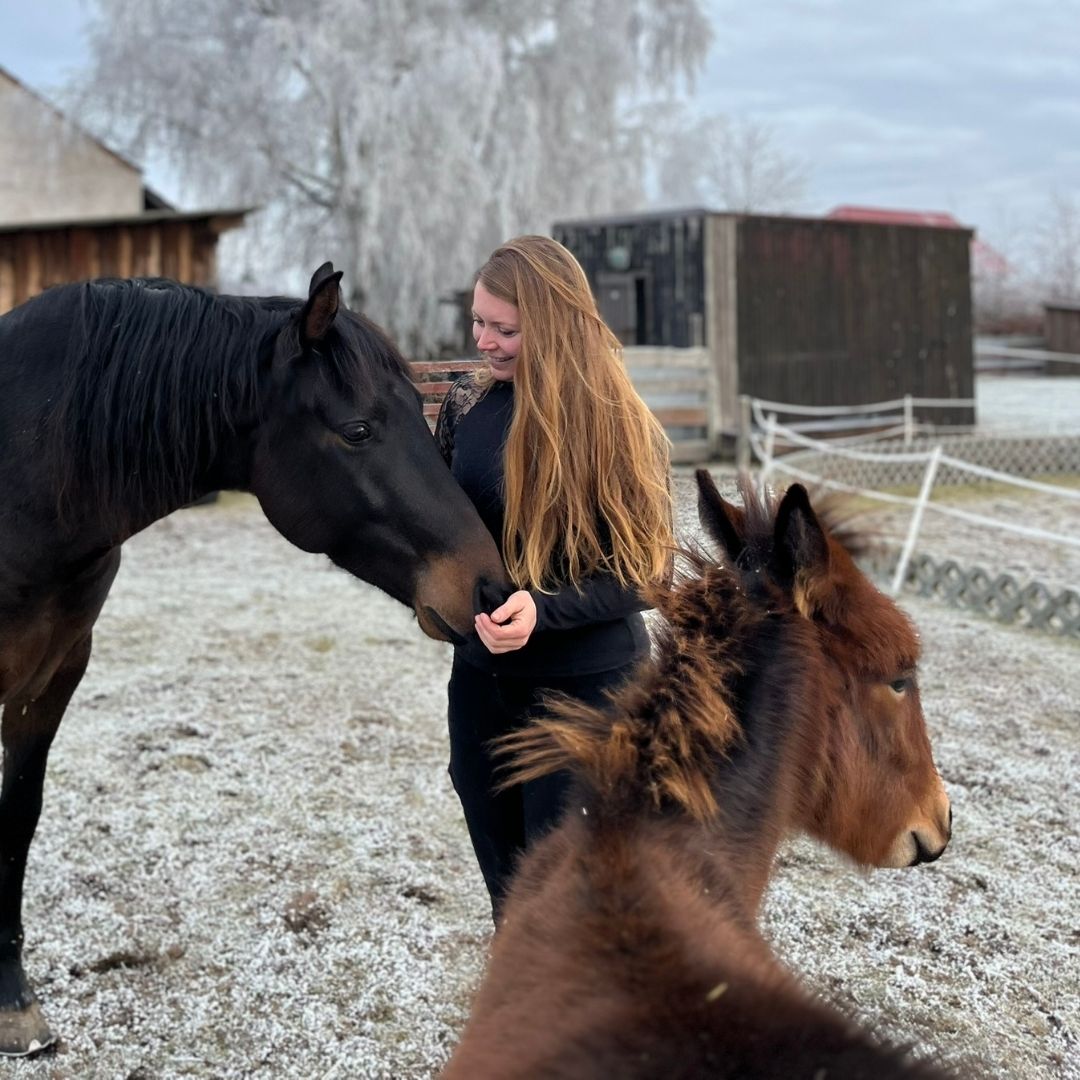
From stressed & confused to confident & cooperative
What would it feel like to have your horses (mules, donkeys) voluntarily cooperate in everyday interactions, daily care, or medical procedures?
What would it feel like to transform every interaction into a two-way conversation?
Gain the knowledge, understanding, and practical skills to cultivate genuine cooperation with your equines while respecting their needs.
From getting through a procedure to strengthening relationship
Daily handling, veterinary care, hoof care, grooming, and other necessary procedures don't have to become a source of stress or conflict.
Learn how to prepare your equine for real life with kindness and clarity, so these everyday moments become opportunities to build confidence, communication, and trust.
You don´t need to wait for extraordinary moments to strengthen the relationship with your equines if you know how to turn mundane situations into trust-building tools.
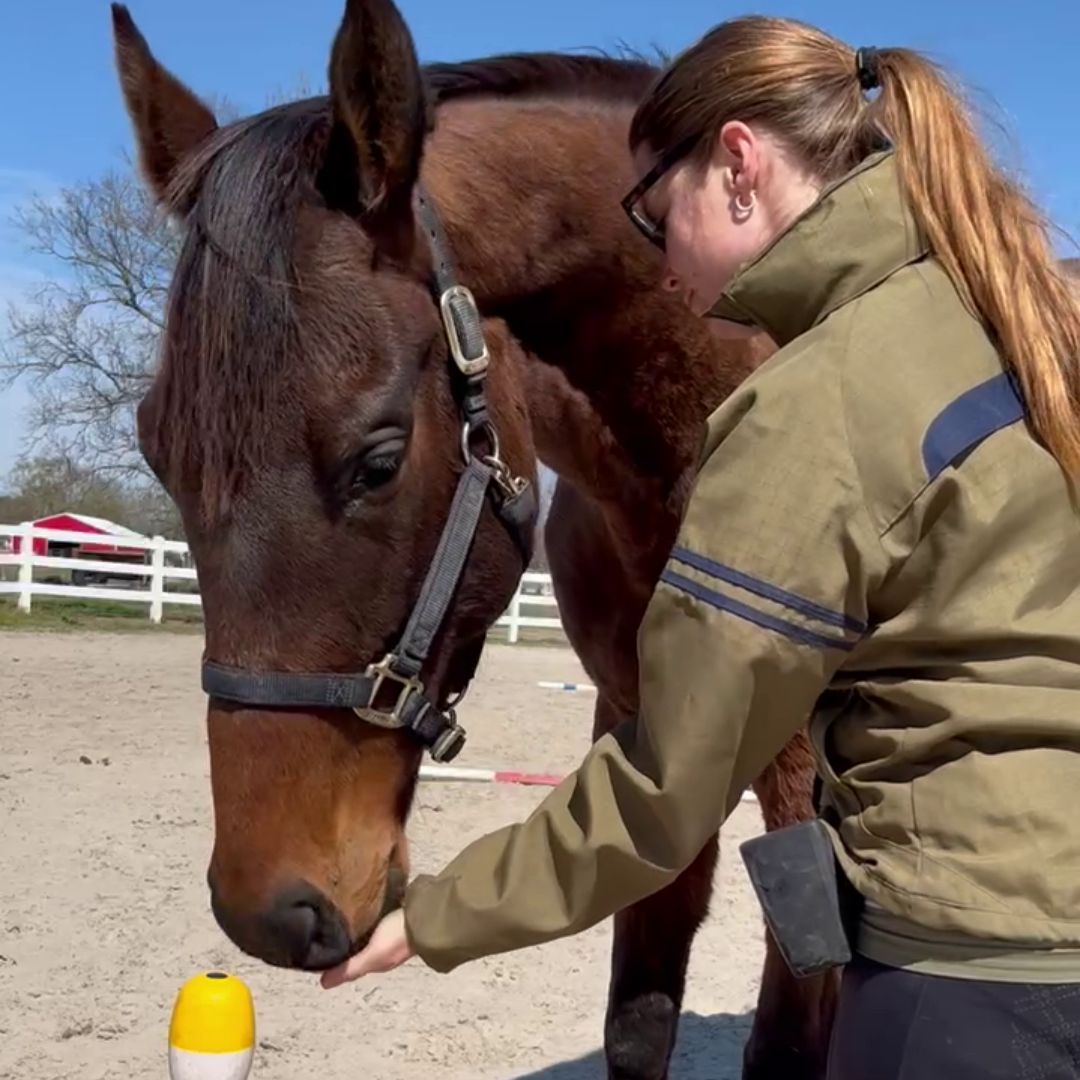
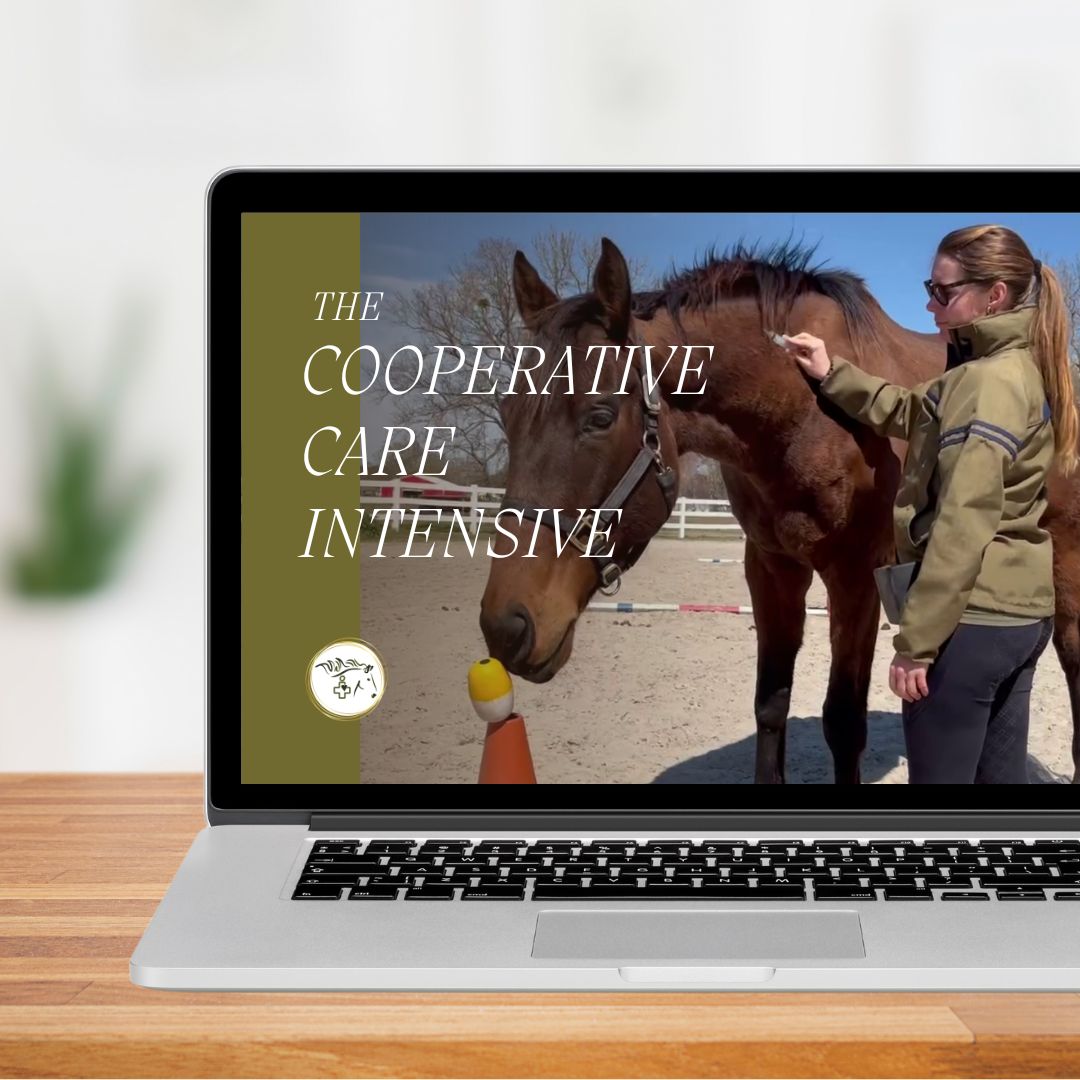
Cooperative Care Kick-Start is now
Cooperative Care Intensive
A new round of this updated program will open on the 9th September 2026
A 12-week live online course & coaching program for horse owners and professionals who want to start cooperative care training, build trust, and make vet and daily care safer, easier, and kinder.
✅ 12 weeks of guided hands-on training experience
✅ Theory & practice
✅ Feedback on your training
✅ Your questions answered
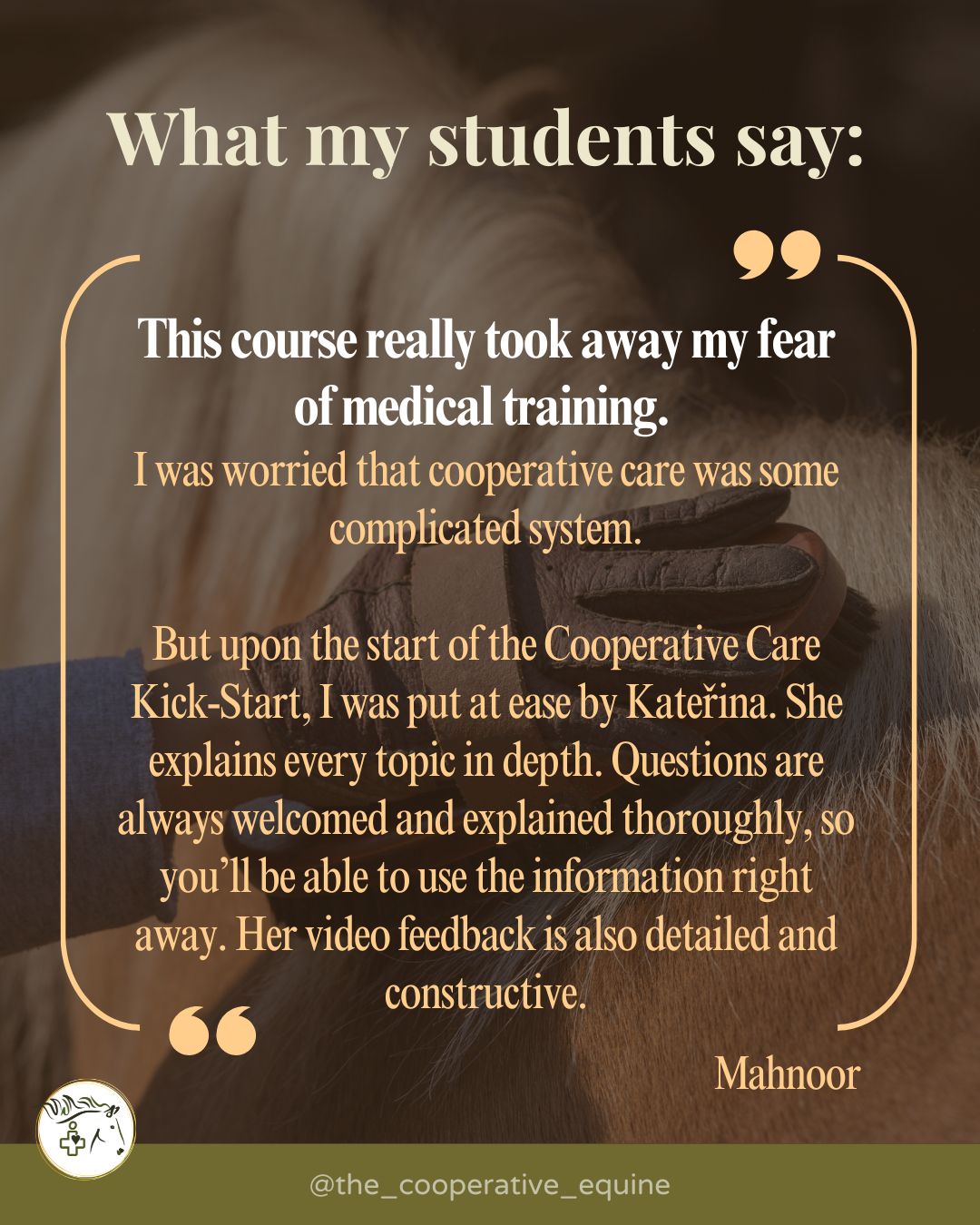
TESTIMONIALS
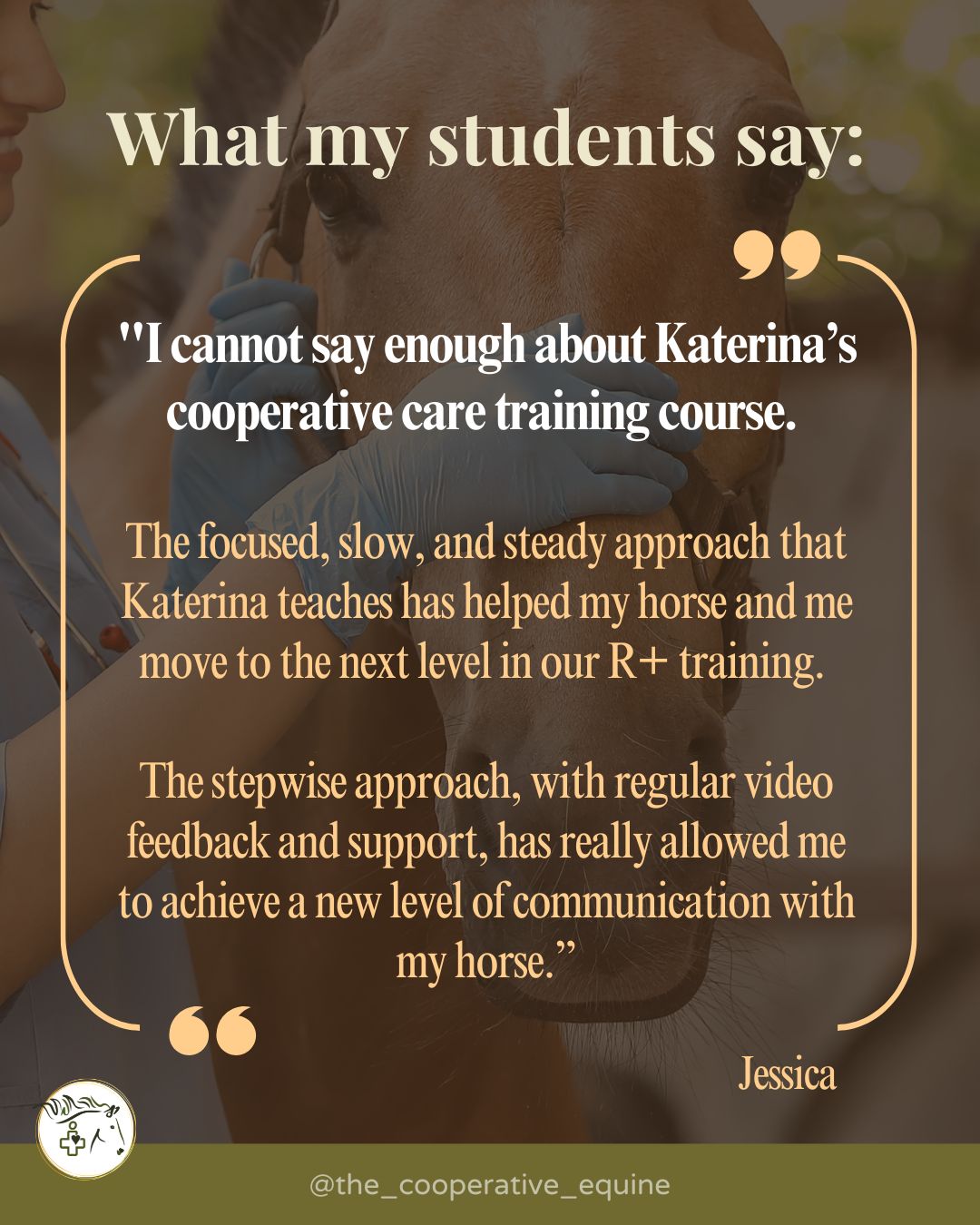
Getting a genuine "YES" from your equine:

Building your equine´s agency & emotional safety by asking for their consent and allowing them to say "no".

Creating a space for a two-way conversation your equine actually wants to join

Becoming a person your equine wants to cooperate with
Person behind The Cooperative Equine
Hi, I'm Dr. Katerina Junghansova
Veterinarian ~ Educator ~ Trainer ~ Horsewoman
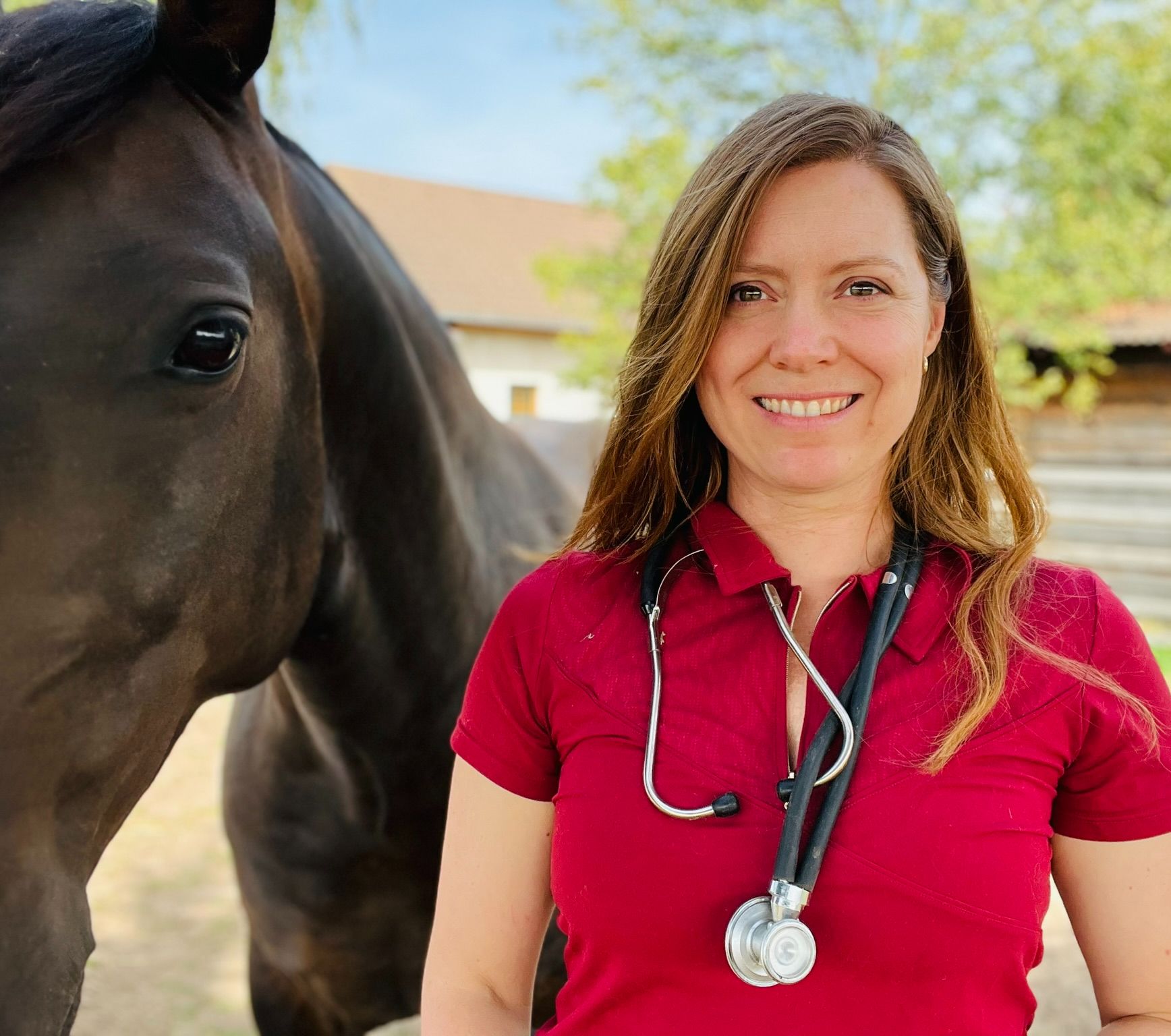
I have spent my professional life fascinated by the place where equine health, behaviour, welfare and training meet.
As a veterinarian, I've seen what happens when horses are frightened of necessary healthcare.
As a trainer and educator, I've seen how much can change when we give them preparation, understanding and a meaningful voice in the process.
And as a lifelong horsewoman, I know that the relationship we have with our equines cannot be reduced to protocols, reinforcement schedules and training techniques. My work therefore doesn't belong to one method or philosophy.
I bring together veterinary medicine, behavioural science, welfare science, neuroscience, learning theory, ethical training and more than a decade of experience with equine cooperative care to look at the individual equine in front of us.
Because the question I'm interested in isn't simply “How do we train this?”